

One concept that agriculturalists are learning more and more is that soil isn’t just dirt. It isn’t just a sponge for holding nutrients and water. Healthy soil is a microscopic metropolis. It’s an underground community of bacteria, fungi, other microscopic organisms, and bigger little critters such as earthworms and beetles. This soil biology is the piece of the agricultural puzzle that makes it possible for agriculture to be regenerative; that is, for crops to give more to the soil than they take from it.
I can’t illustrate soil biology nearly as well as the Soil Food Web experts, so here are a few videos from them:


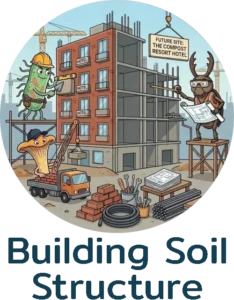
Roles of Soil Biology

Bacteria
Micro aggregation:
– joining soil particles into microscopic clumps
– improving air and water absorption
– decreasing risk of erosion
Breaking soil down into nutrients available for plants
Bacteria multiply quickly
– they are the first to recover after tillage
Bacteria like simple food, such as sugars
– they recycle wastes that are easy to decompose
Symbiotic bacteria protect plants from disease, stimulate root growth, and improve stress tolerance
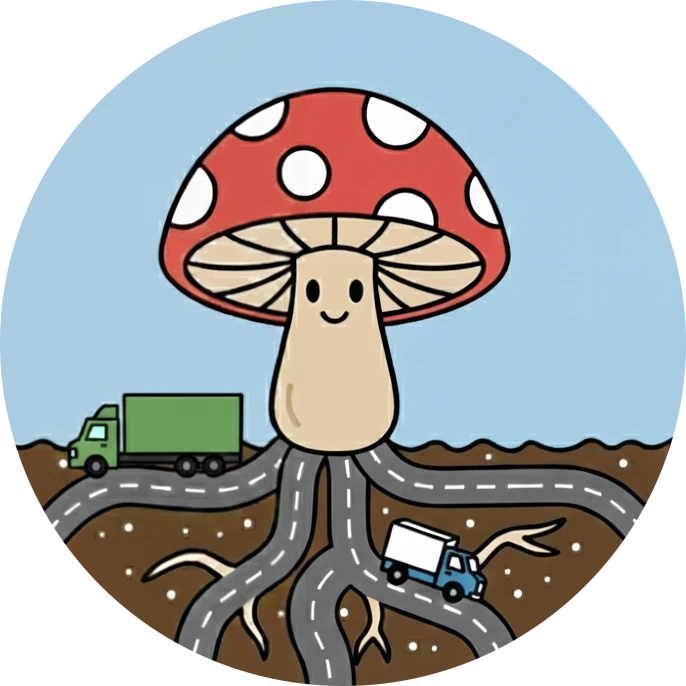
Fungi
Macro aggregation:
– joining soil particles into tiny clumps
– improving air and water mobility
– decreasing risk of erosion
Breaking soil down into nutrients available for plants
Fungi grow more slowly
– tillage damages fungi for longer
Bacteria handle more complex food, such as fats
– they recycle fibrous wastes more easily than bacteria
Many fungi, called mycorrhizal fungi, serve as root extensions for plants. They grow much faster than plant roots, and bring water and nutrients that plants couldn’t otherwise reach.
Fungi can access the microscopic film of water that even exists on soil particles that appear to be completely dry. Thus they play a crucial role in helping plants to be drought tolerant.
Many fungi protect plants from disease
Many of the chemicals that give plants their unique flavors, smells and health benefits are produced in partnership with fungi

Worms, Bugs, etc.
Further aggregation:
– joining soil particles into bigger clumps
– further improving air and water mobility
– decreasing risk of erosion
Serve as indicators
– abundance indicates health of microscopic soil biology
Help to balance populations of smaller organisms
– help to maintain bacteria:fungus ratio
There are other organisms in soil, such as protozoa (like bacteria but bigger) and nematodes (microscopic worms). Each serves an important role. However bacteria and fungi are the foundational organisms that are typically the most managed in the soil. Earthworms are the primary indicator that is monitored to determine soil health.
The best way to keep the soil biology healthy is by keeping living plants in the soil as much as possible. More on this in future topics.
The key to sustainable or regenerative agriculture is caring for the little things. Farmers get paid for produce, not bacteria, fungi or earthworms. But it’s caring for the critters and micro-organisms that keeps fields healthy so they can keep producing.